Abortion Education and Information
What you need to know before making a decision

The Abortion Pill
The abortion pill typically involves two powerful drugs, mifepristone and misoprostol, used during the early weeks of pregnancy to intentionally end the life of the developing embryo. Mifepristone works by blocking progesterone, a hormone that is essential for sustaining pregnancy. When this hormone is blocked, the uterine lining breaks down and the developing baby can no longer survive. Misoprostol is then taken to trigger intense uterine contractions and heavy bleeding in order to expel the pregnancy from the uterus. This process can involve significant pain, severe cramping, and heavy bleeding that may last for hours or even days. In some cases, the abortion is incomplete and requires emergency medical care or a surgical procedure to remove remaining tissue. Women have also reported complications such as infection, hemorrhaging, fever, and the emotional distress that can accompany experiencing the loss of a pregnancy in this way. Because of these potential risks, it is important for women to have access to accurate information, compassionate support, and the opportunity to consider life-affirming alternatives.
Surgical Abortion
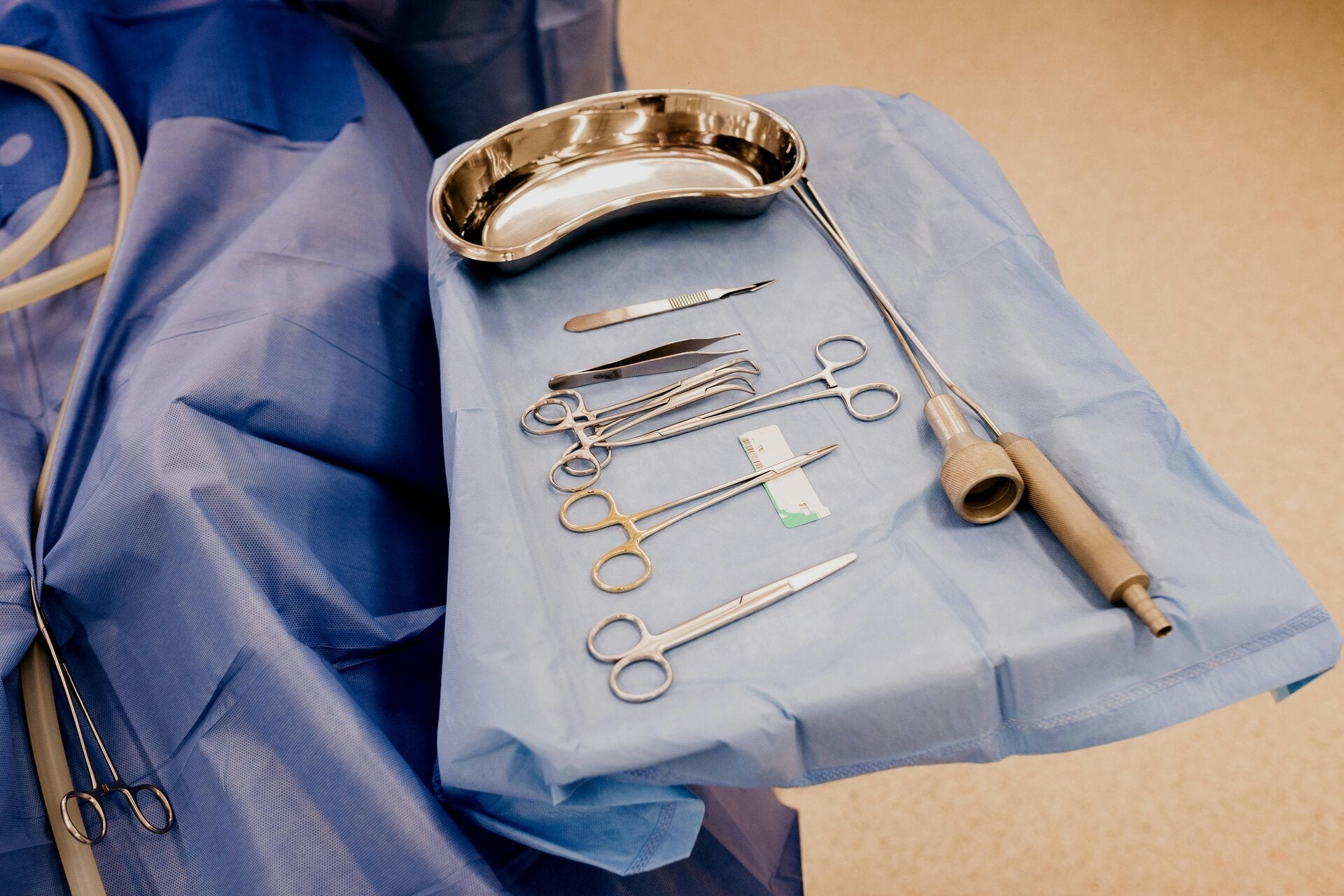
A surgical abortion is a procedure performed in a clinic or hospital where instruments are used to remove the developing baby from the uterus. In early pregnancies, this often involves vacuum aspiration, where the cervix is dilated and a hollow tube connected to a suction device is inserted into the uterus to remove the pregnancy. In later pregnancies, a procedure called dilation and evacuation (D&E) may be used, which involves dilating the cervix and using suction and surgical instruments such as forceps to remove the baby and remaining tissue from the uterus. Because this is an invasive surgical procedure, it carries risks that may include heavy bleeding (hemorrhage), infection, damage to the cervix, puncture or perforation of the uterus, and the possibility that parts of the pregnancy remain in the uterus requiring an additional procedure. In rare but serious cases, complications can lead to scarring of the uterus, infertility, damage to surrounding organs, or other life-threatening medical emergencies. Women deserve to understand the physical, emotional, and medical risks involved and to know that compassionate support and life-affirming alternatives are available.
Don't Be In the Dark